

Ulcinj Old Town: 2,500 Years of Life on the Adriatic

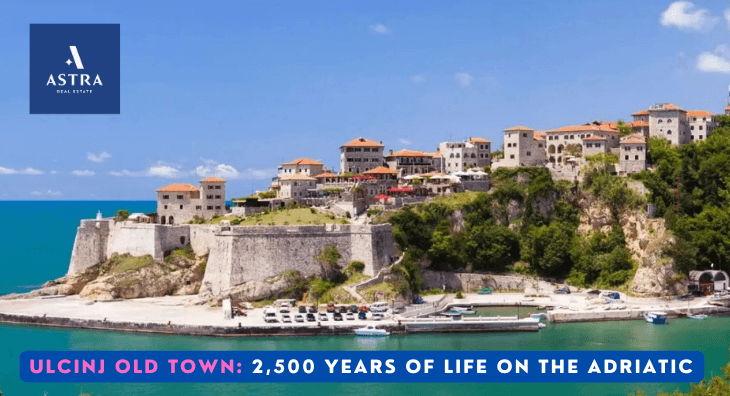
Perched on a dramatic cliff above the Adriatic Sea, Ulcinj Old Town is one of the most fascinating historical sites in Montenegro — and one of the Adriatic coast’s oldest urban settlements.
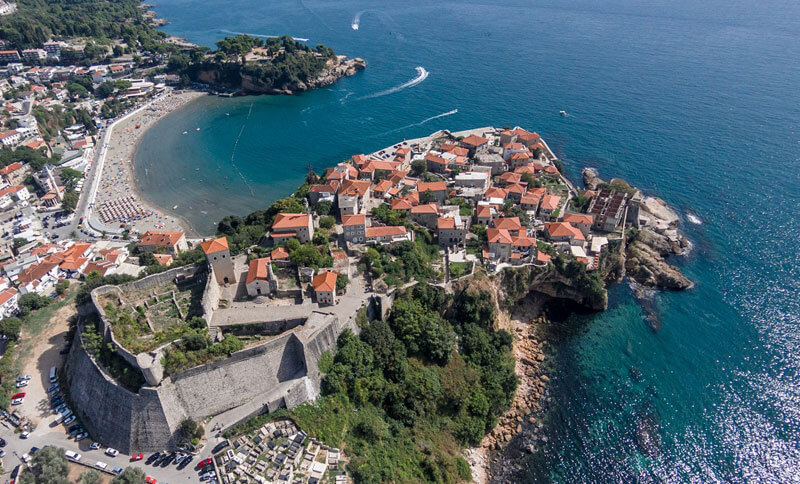
For more than 25 centuries, life has flourished here. Built on a rocky peninsula that from the sea resembles a stranded stone ship, the town has witnessed the rise and fall of civilizations, empires, traders, pirates, and sailors.
Each of them has left a visible mark that can still be seen in Ulcinj’s architecture, streets, and stories today.
A City Built by Civilizations
The earliest fortifications of Ulcinj date back to the Illyrian period, when the settlement served as an important strategic and trading point on the Adriatic.
Over the centuries, the town was ruled by a remarkable number of powers — Romans, Byzantines, Venetians, Ottomans, and others — each contributing to the city’s cultural and architectural identity.
Today, the Old Town represents a first-category cultural and historical monument, where layers of history are preserved in every stone.
Walking through the fortress walls, visitors encounter:
- Ancient Illyrian ramparts
- The imposing Citadel, the highest point of the town
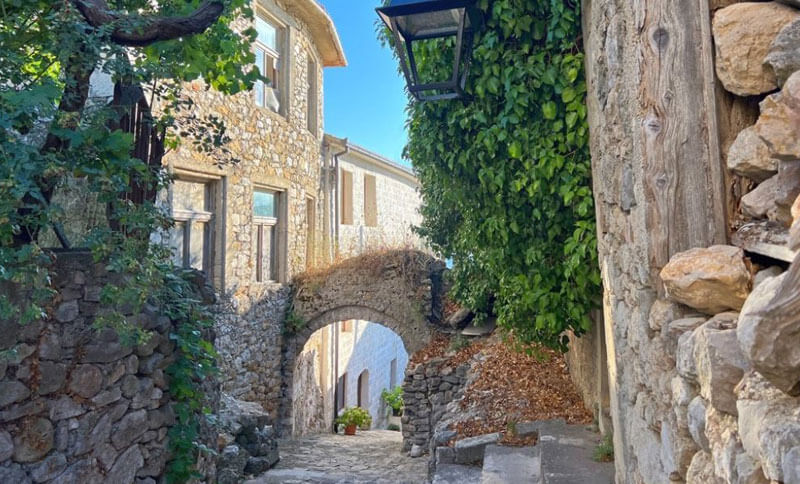
- Narrow streets and house blocks form an intricate urban network
- Historic squares, markets, and courtyards
- A unique city silhouette overlooking the sea
The city’s urban landscape, architectural forms, and historic atmosphere create one of the most distinctive coastal panoramas in Montenegro.
Gates Between Land and Sea
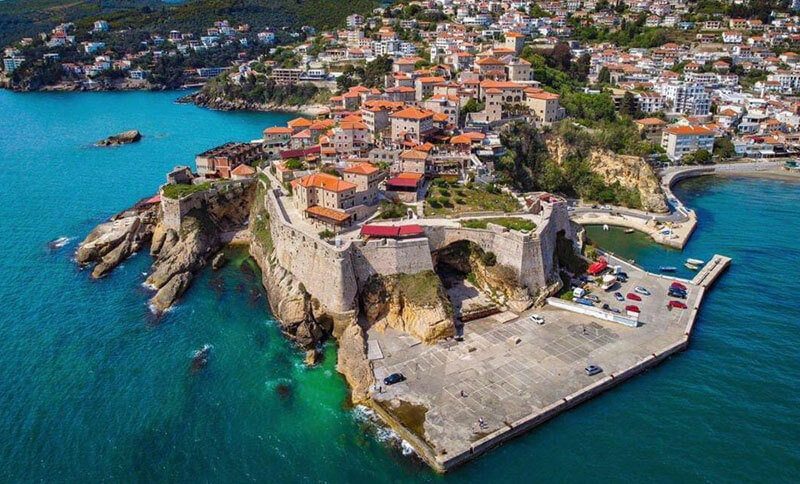
By the 6th century, Ulcinj had developed into a fortified city with two main entrances.
The Lower Gate, located on the eastern side, served as the entrance from the sea, welcoming sailors, merchants, and travelers arriving by boat.
The Upper Gate, on the western side, allowed entry from the mainland, connecting the fortress with the surrounding countryside.
These gateways symbolized Ulcinj’s role as a meeting point of cultures, trade routes, and civilizations.
Legends of Pirates and Slaves
Ulcinj’s history is not only ancient — it is also legendary.
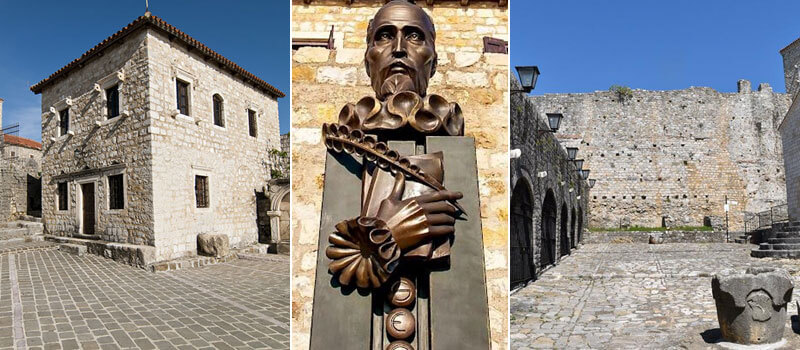
During the 16th and 17th centuries, the town became known as one of the most famous pirate strongholds on the Adriatic. Corsairs operated from this fortified harbor, capturing merchant ships and bringing prisoners back to the city.
One of the most intriguing locations inside the Old Town is the historic Slave Square, where captives were once held and traded. According to local legend, the famous Spanish writer Miguel de Cervantes, author of Don Quixote, was once imprisoned in Ulcinj before being ransomed.
Whether legend or fact, these stories add a dramatic dimension to Ulcinj’s already rich past.
Museums, Culture, and Living Heritage
Today, Ulcinj Old Town is not just a monument — it is a living cultural space. The Citadel now houses a museum complex, where visitors can explore archaeological findings, historical artifacts, and stories of the city’s maritime past.
Stone houses, terraces, and small galleries create a charming atmosphere where history meets everyday life. From the fortress walls, breathtaking views stretch across the Adriatic Sea and the long sandy coastline of Ulcinj, offering one of the most memorable panoramas in Montenegro.
A Place Where History Meets the Future
Ulcinj Old Town represents more than just a historical site — it embodies the spirit and continuity of life on the Adriatic. From Illyrian warriors to Venetian merchants, Ottoman sailors, pirates, and modern travelers, countless generations have left their imprint here.
Today, as Ulcinj continues to develop as one of Montenegro’s most promising coastal destinations, this extraordinary heritage continues to inspire visitors and investors alike.
For those seeking a home in a place where history, culture, and Mediterranean lifestyle come together, the Ulcinj Riviera offers unique opportunities — from seaside apartments to villas overlooking the Adriatic.
At Astra Real Estate, we are proud to introduce clients from around the world to the beauty and potential of this remarkable region.
Discover Ulcinj — where 2,500 years of history meet the future of life on the Adriatic.